.png)
.png)











Your yard talks.
I know because I spend a lot of time out there.
My human, Brett, calls it “landscaping.” I call it my office.
And lately, my office has been hot.
Really hot.
The grass is looking tired. The dirt is getting harder. Plants that normally look happy are looking a little droopy. And everybody seems to be waiting for the next good rain.
So, if your yard could talk right now, what would it say?
After a long stretch of heat and very little rain, your landscape may show some obvious signs of stress. Grass can turn brown or go dormant, plants may wilt, and soil can become dry and difficult to penetrate.
But here's the thing I've learned from Brett: brown doesn't always mean dead.
Sometimes your lawn is simply protecting itself until conditions improve.
That doesn't mean you should ignore it, though.
Your trees, shrubs, and larger plants may need more attention during extended dry periods. And if you're watering, doing it thoughtfully matters. Tennessee's drought guidance recommends watering only when needed and doing so during cooler parts of the day to reduce evaporation.
Personally, I prefer mornings.
Mostly because that's when I get to go outside.
Good question.
When soil stays dry for an extended period, it can become compacted and difficult for water to soak into.
That can create a frustrating situation: You finally get some rain, but instead of soaking into the ground where your plants need it, water can run across the surface.
That little stream you see moving through your flower bed?
Your yard may be trying to tell you something.
Your yard has personalities.
Some plants handle heat and dry conditions better than others. That's one reason plant selection matters so much.
Native and drought-tolerant plants can be especially valuable in landscapes because they're better adapted to local conditions. Middle Tennessee has a wide variety of native plants suited to different soil, light and moisture conditions.
In other words, don't just ask, “Is this plant pretty?”
Ask, “Is this plant happy here?”
That's something Rip would like to remind everyone.


If you've noticed mulch, soil, or even small rocks moving around your property, pay attention.
Runoff and erosion can become more noticeable when water finally arrives after a dry spell—especially on slopes.
Your yard may be showing you where water naturally wants to go.
And sometimes, the answer isn't simply adding more mulch.
It may mean looking at grading, drainage, or how water is moving through the entire landscape.
This is where Brett usually gets involved.
Because sometimes your yard is giving you a problem that a garden hose and a Saturday afternoon can't solve.
If you notice persistent drainage issues, significant erosion, standing water, failing landscape areas, or water moving toward your home, it's worth having someone take a closer look.
The goal isn't just to make the yard look better.
It's to understand why the problem is happening in the first place.
Here's my professional recommendation:
Take a walk around your yard.
Not just to see if the grass looks good. Look at what your property is telling you.
Where is the soil dry?
Where is water likely to collect?
Are plants struggling in certain areas?
Has mulch or soil moved?
Are there places where the landscape looks different than it did last year?
And when we finally get a good Tennessee rain, go outside and watch.
That's when your yard really starts talking.
You might discover that the puddle you've been stepping around, the muddy spot you keep avoiding, or the little stream running through your flower bed isn't just an annoyance.
It's a clue.
And if you learn to listen, your yard might tell you exactly what it needs.
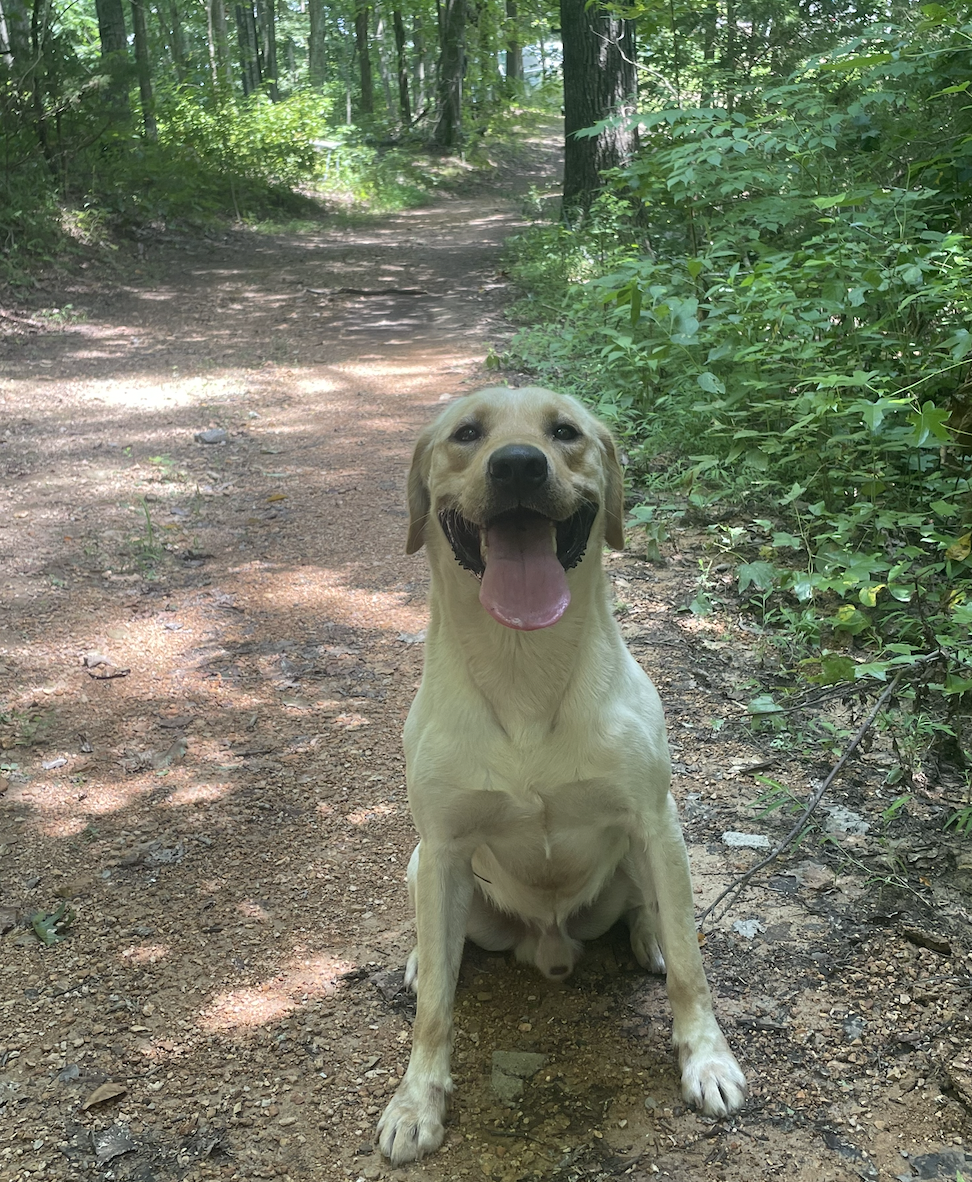
Now, if you'll excuse me, I have some very important inspecting to do.
There's a suspicious-looking squirrel in my office.

We're always looking for positive news to share with our community. Let us know all about it!
Share Your News
Designed and powered by nixonPRO media.
Proud members of the White House and Robertson County Chambers of Commerce.

.png)


.jpg)