





.png)


.png)





.png)
There’s a certain presence that fills the room after a Don Williams song. It’s not silence—but something much fuller than that.
It’s the kind of quiet that settles in after a voice like his finishes telling a story. No strain. No spectacle. Just the weight of truth.
They didn’t call him the “Gentle Giant” for nothing.
Williams was never the loudest voice in country music, but he may have been one of the most enduring. With a calm delivery, deeply human lyrics, and a presence that felt both grounded and timeless, he built a career that quietly shaped generations.
Songs like “Tulsa Time” and “I Believe in You” didn’t demand attention—they earned it.
By the time platinum award-winning engineer and producer Jesse Benfield began working alongside him, Williams had already become a pillar of country music—an artist whose restraint carried more weight than most artists’ excess.
For Jesse, the relationship began not in a studio, but on stage.
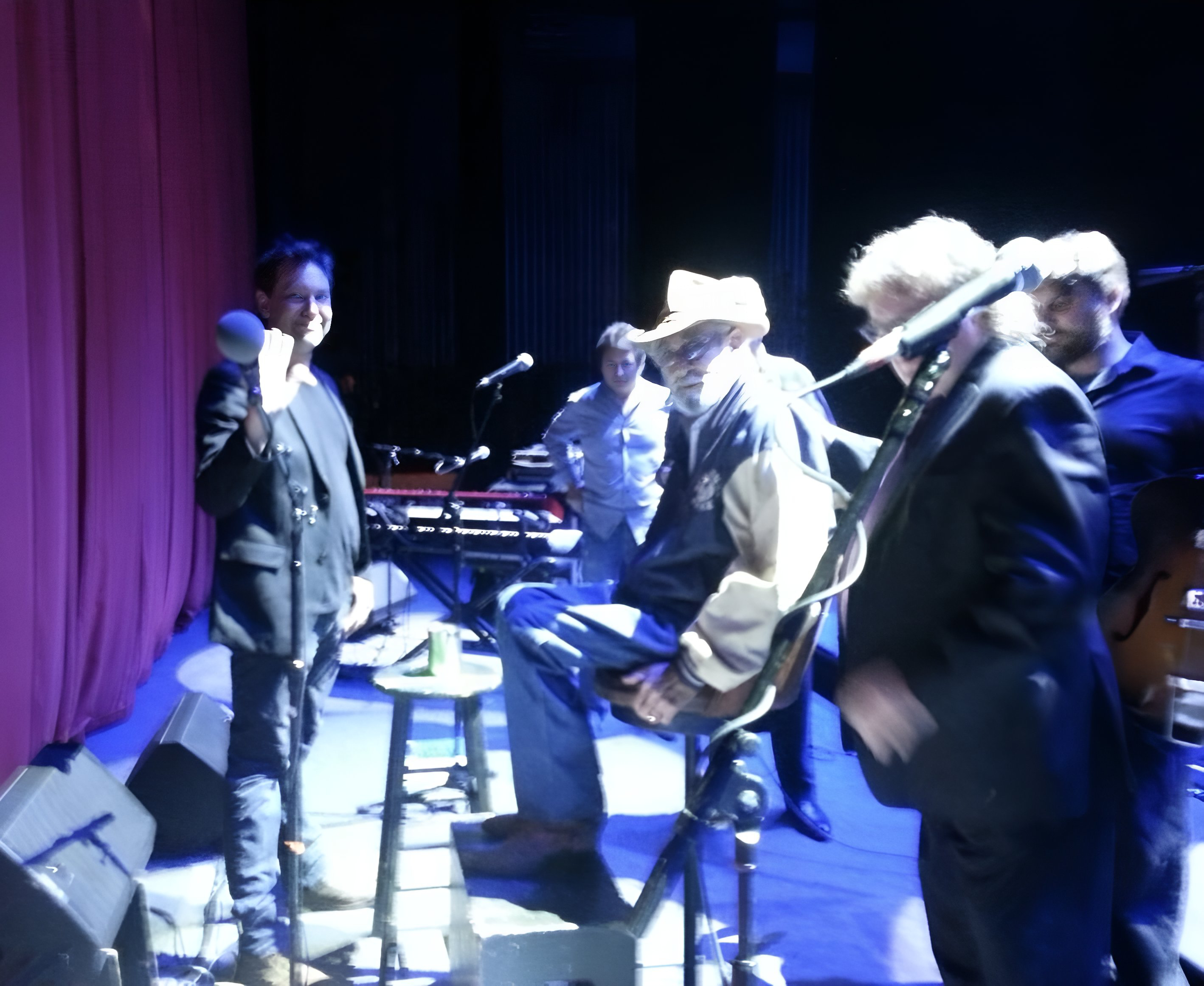
Night after night, he stood just offstage as monitor engineer and production manager—and sometimes onstage, playing an electric mandotar (a hybrid mandolin-guitar), or what Williams jokingly called “that newfangled instrument,” during the song “Imagine That.”
In this role, Jesse helped shape what Williams heard in his ears while audiences leaned into every word—translating that unmistakable voice to crowds across the world.
And behind the scenes, he earned something just as lasting:
Trust.
And that trust would become the foundation for something far bigger than either of them expected.
In 2013, after hearing that Dolly Parton—with whom he had previously worked—was building an archive of her life’s work, Jesse had an idea:
Don Williams’ legacy deserved the same care.
He approached Williams’ management and was given the green light.
“I had to build it from scratch,” he says, “collecting material from producers, engineers, management… anyone who had been part of Don’s career.”
That process eventually led him to Williams’ home in March 2014.
His task was simple: document artifacts for the archive.
He photographed awards, albums, handwritten notes—pieces of a life lived in music.
But he also arrived with something else: a memory of Williams mentioning old tapes stored in his cellar.
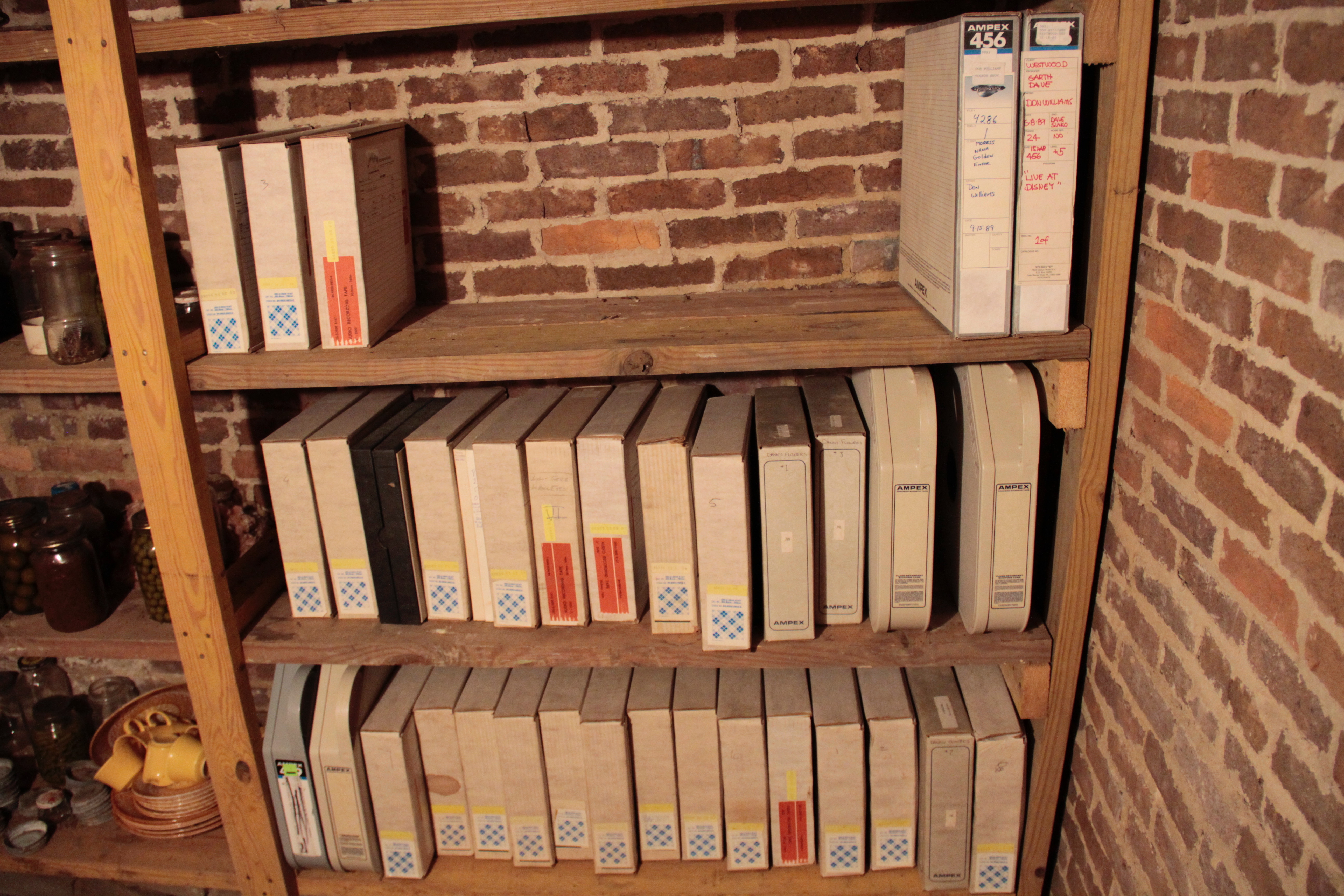
The entrance was hidden beneath a door in the dining room floor—a feature common in old farmhouses of the era.
As Jesse descended, it felt like stepping into something preserved… almost suspended in time.
There, on dust-covered shelves untouched for years, sat reels of 2-inch analog tape—the kind used to record full studio sessions during the golden age of recording.
To most, they might have looked like relics.
To Jesse, they looked like possibility.
“I opened them, looked at them—even smelled the tapes,” he says. “You can tell a lot about their condition that way. And I realized… we might have a chance to save them.”
That chance was slim.
At first, Williams’ team believed the tapes were simply old sessions—and likely unsalvageable.
But after some convincing, Jesse was given permission to try.
Analog tape doesn’t age gracefully.
Moisture seeps in. The binder holding magnetic particles begins to break down. Even a single playback under the wrong conditions can destroy the recording.
“I knew we probably had one—maybe two passes,” Jesse explains. “That’s it before the tape starts to fall apart.”
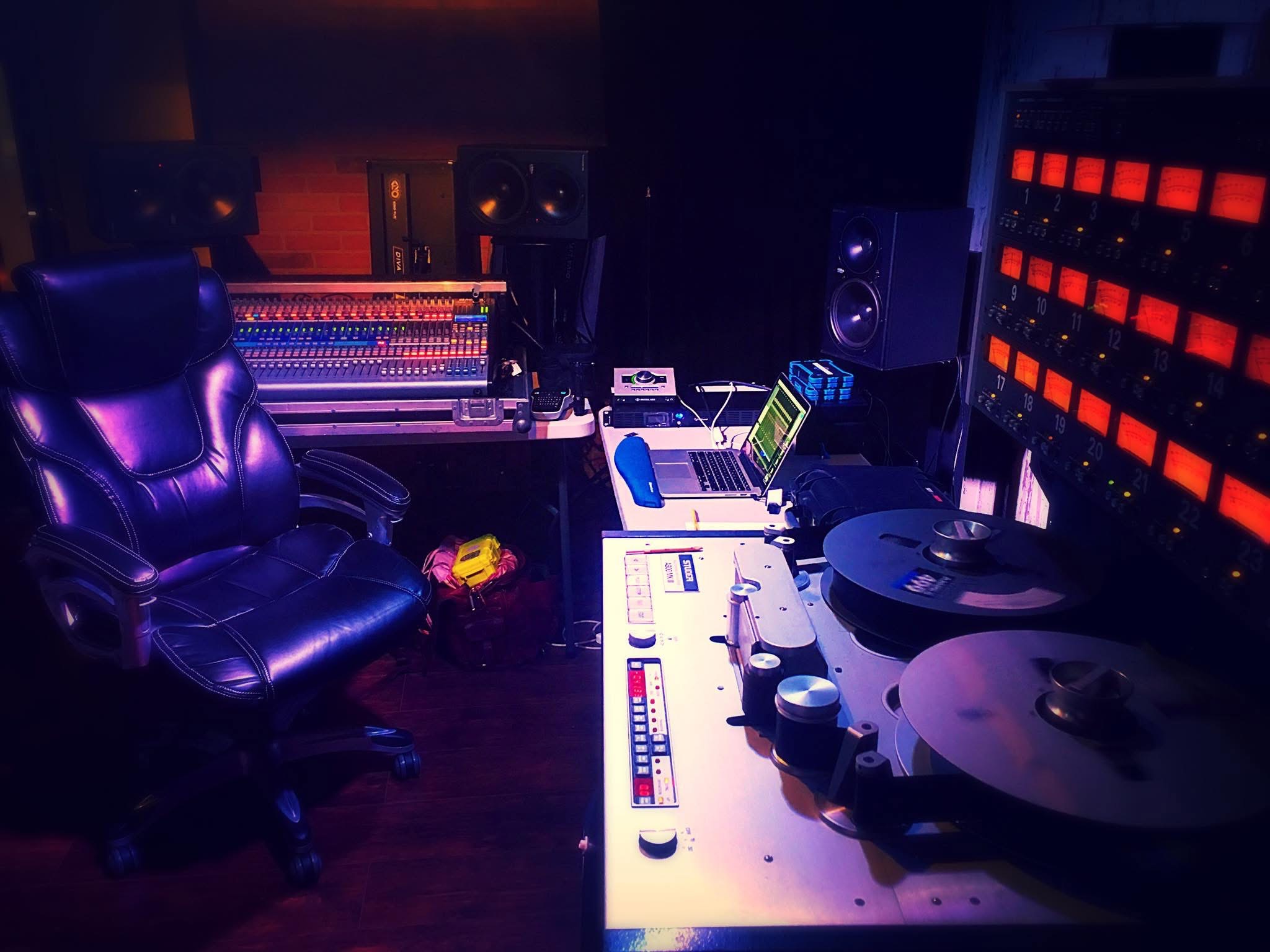


To prepare them, he used a delicate process known as “baking.”
The tapes are gently heated in a convection oven to remove moisture and temporarily stabilize them—but the window to play them is short.
“You’re working against time the entire way,” he says. “Once you start, you have to finish.”
As the recordings transferred, another realization hit:
These weren’t just old sessions.
They were unheard ones.
By cross-referencing tape labels with known discographies, Jesse discovered many of the songs had never been released.
A rare and remarkable find—new material from an artist whose catalog had already defined a genre.
Between 2015 and 2016, he captured everything he could.
But time had left its mark.
Parts of the recordings—especially tracks on the outer edges—had degraded. The kick drum. The strings. Pieces of the foundation.
So Jesse did something that requires extraordinary restraint:
He rebuilt what was missing—without changing what was already there.
Before restoration could be completed, Williams—who had been battling illness—passed away.
In 2019, alongside Williams’ manager Robert Pratt, Jesse brought the band into Soundstage Studios in Nashville.
There, he led new recording sessions—carefully rebuilding missing elements while preserving the original performances.
“We didn’t want to change Don,” he says. “We just wanted to fill in what time had taken away.”
Additional overdubs followed, with Williams’ son Tim Williams serving as executive producer.
That same year, Jesse took on another extraordinary role.
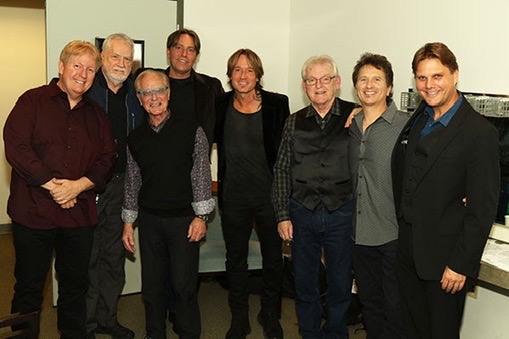
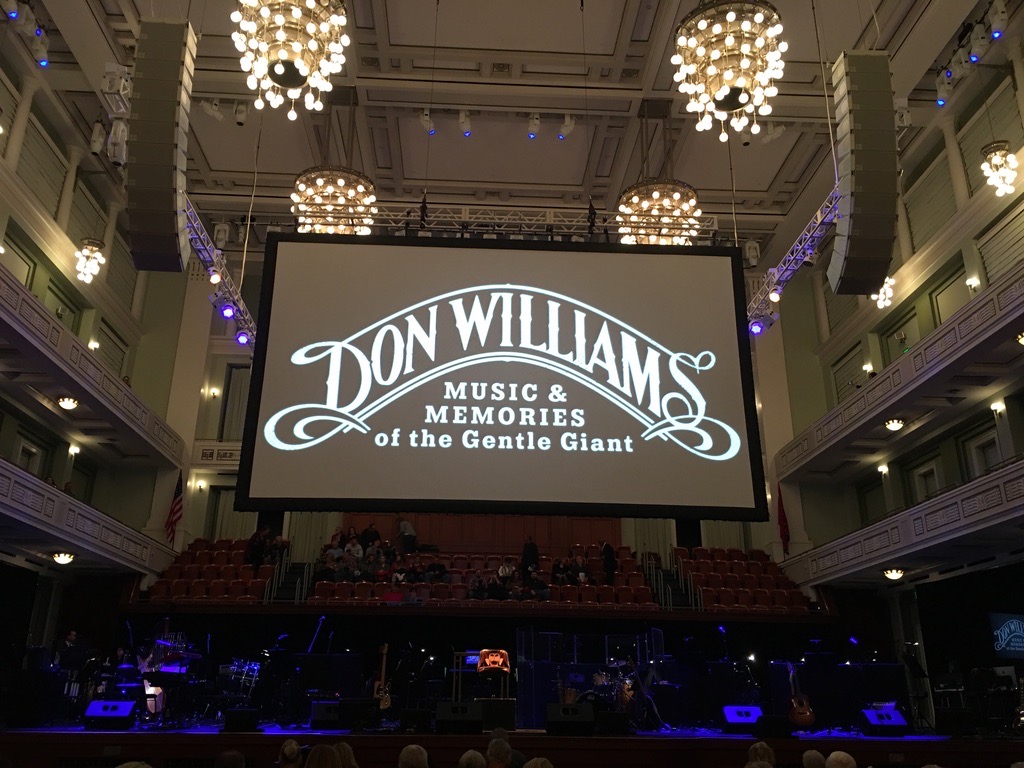
At the Don Williams Memorial Concert at Schermerhorn Symphony Center—curated by Keith Urban—he served as Production Director and playback engineer.
The concept was ambitious:
Williams would appear on screen, performing, while a live band and the Nashville Symphony played alongside him.
To make it work, Jesse flipped the process.
Instead of forcing Williams into a rigid tempo, he built the music around him—mapping every breath, every shift, every moment.
“I didn’t want to make him mechanical,” he says. “The band had to follow him.”
And for a moment… it felt like he was still there.
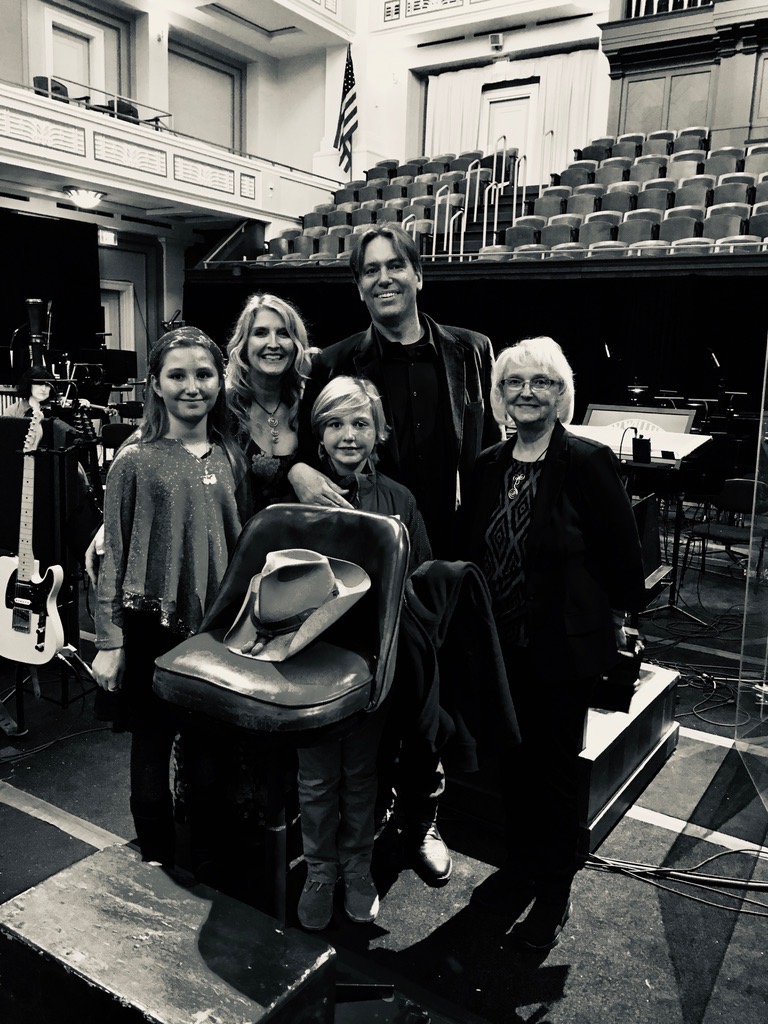
Jesse continued work on the archive until 2021, when it was handed off to Tim Williams and Robert Pratt.
But what had been saved remained—carefully preserved, waiting.
During that same period, Jesse also worked with renowned producer Bob Ezrin—known for collaborations with Pink Floyd, Alice Cooper, and Peter Gabriel—helping preserve another corner of music history.
Different genres. Same mission.
Now, years later, the recordings discovered in that cellar are finally being shared.
Produced by Williams’ longtime collaborator Garth Fundis, and executive produced by Tim Williams, Epilogue: The Cellar Tapes brings unheard Don Williams songs into the world for the first time.
What once sat quietly in a cellar is now part of a living legacy.
Today, Jesse continues his work—paying it forward.
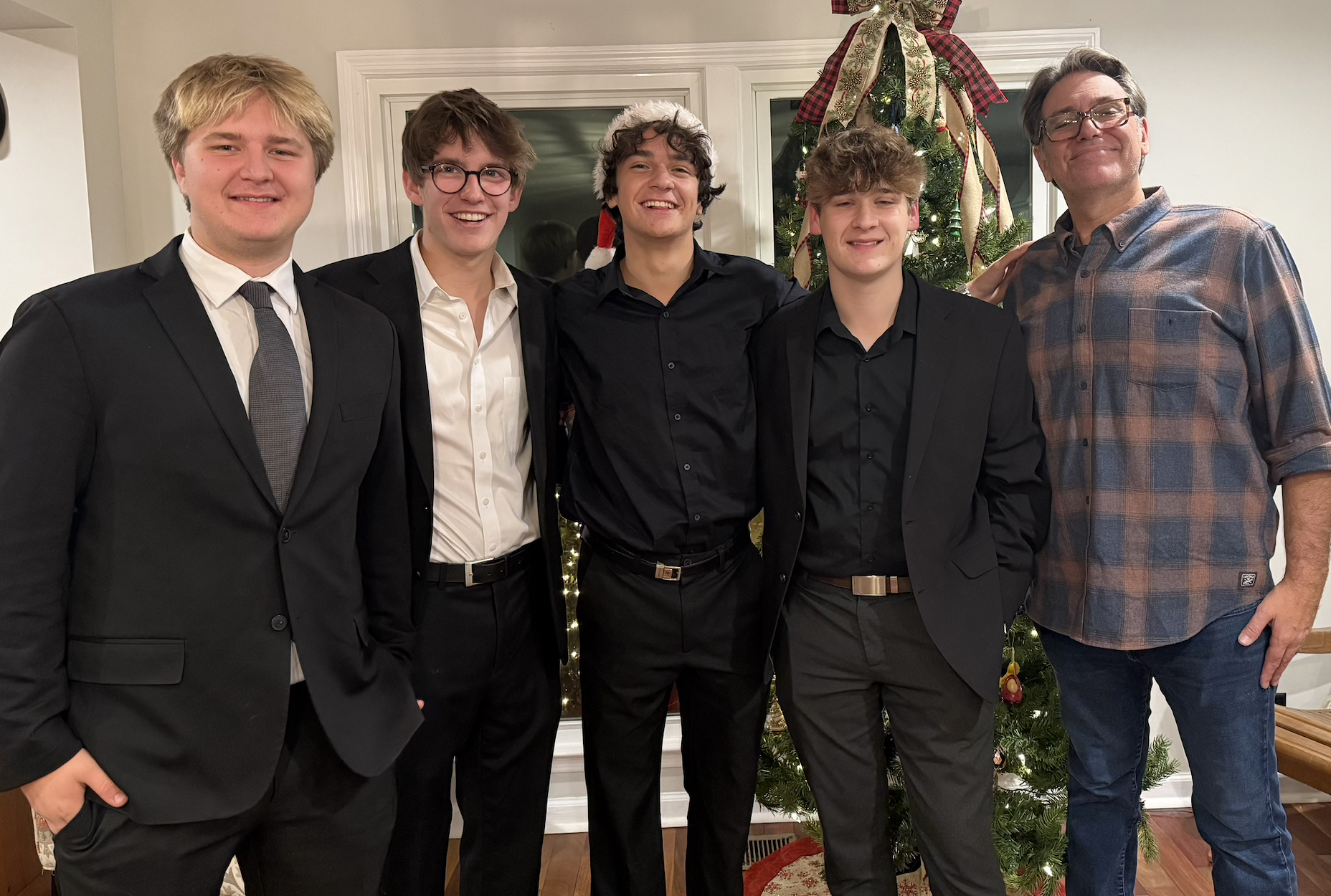
He serves as a professor of Audio Production at Middle Tennessee State University and is the owner of Stay Gold Records, a division of Stay Gold Sound, which recently produced its first artist, the indie band Fieldtrip.
But the work that defines him might be the work most people never see:
Pressing play—knowing it might be the last time that sound ever exists in that form—and choosing to try anyway.
Because sometimes…
the difference between lost and found
is one pass.

We're always looking for positive news to share with our community. Let us know all about it!
Share Your News
.jpg)
Designed and powered by nixonPRO media.
Proud members of the White House and Robertson County Chambers of Commerce.

.png)


.jpg)
.jpg)