







.png)

.png)



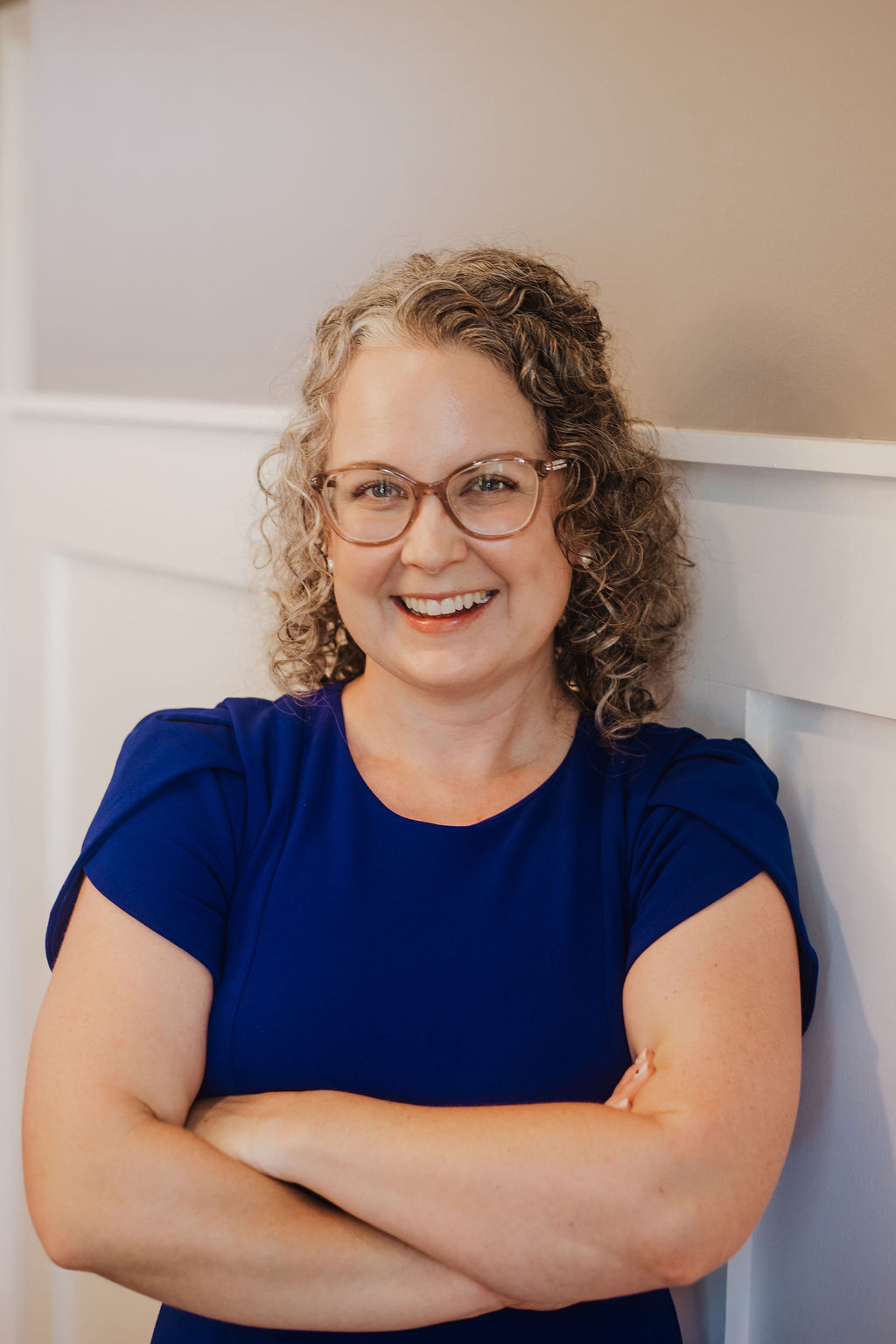

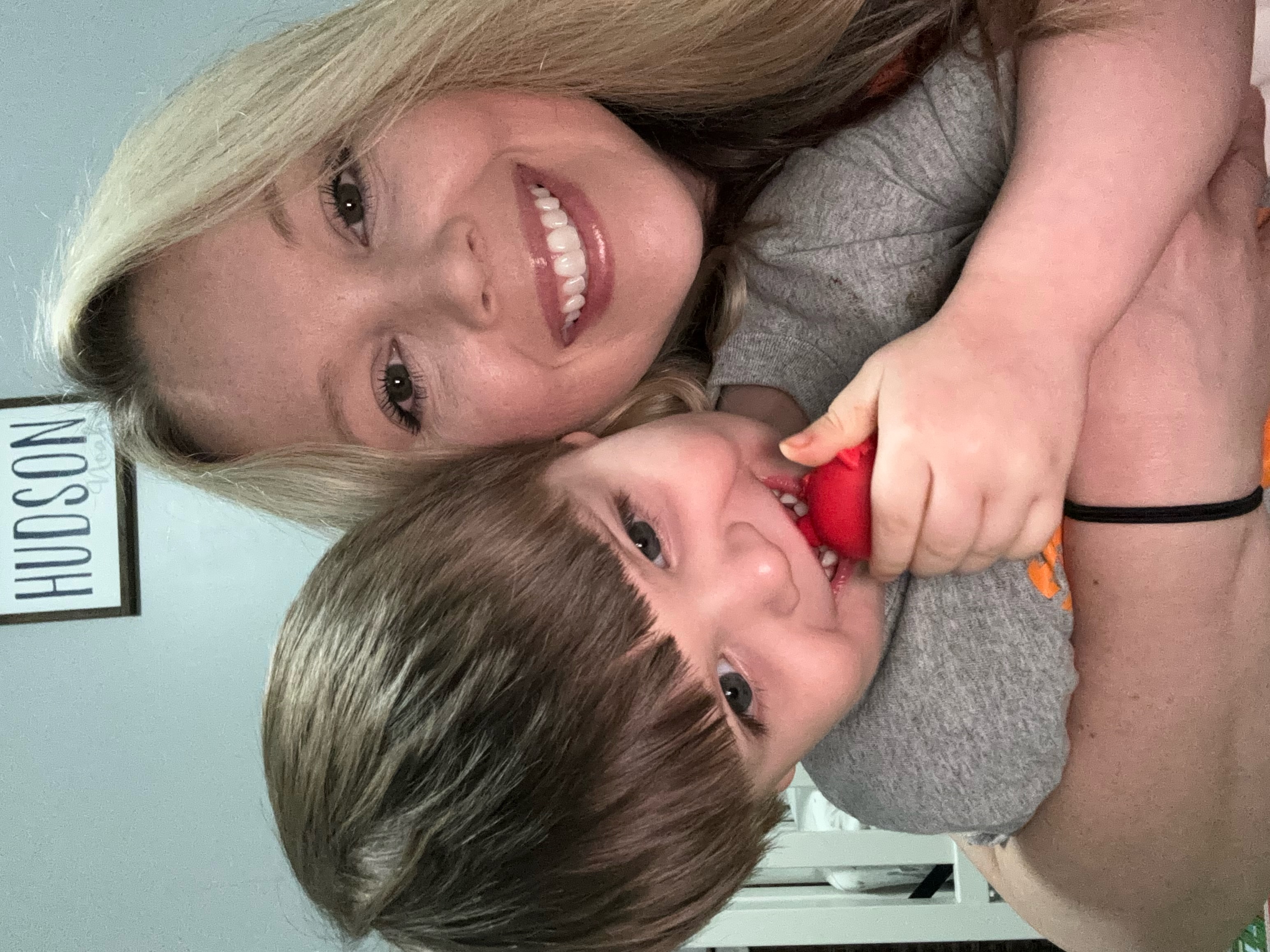
When April and Ronnie of White House talk about their four-year-old son Hudson, one message rises above everything else: don’t lose hope.
“We learned to meet Hudson exactly where he is,” April said. “And to celebrate everything he’s capable of.”
Like many Middle Tennessee families navigating an autism diagnosis, April’s family felt overwhelmed at first. Hudson, who is non-speaking, wasn’t meeting milestones that often come naturally to other children—clapping, opening doors, or communicating needs. The uncertainty was heavy.
“There were times we weren’t sure he would communicate at all,” April shared. “Any communication means the most to us.”
That fear eventually led them to explore ABA therapy. April admits the idea was intimidating at first.
“I was terrified,” she said. “I pushed it off for over a year.”
But as Hudson got older, April realized he needed more support than they could provide at home. After researching options, asking questions, and touring ABA Centers of Tennessee clinic in Goodlettsville, the fear began to melt away.
“I walked in really nervous,” April said. “I walked out feeling so good about it.”
Hudson has now been in ABA therapy for just over a month and a half, attending five days a week for six hours a day, alongside occupational and speech therapy. In that short time, the changes have been meaningful—and life-changing.
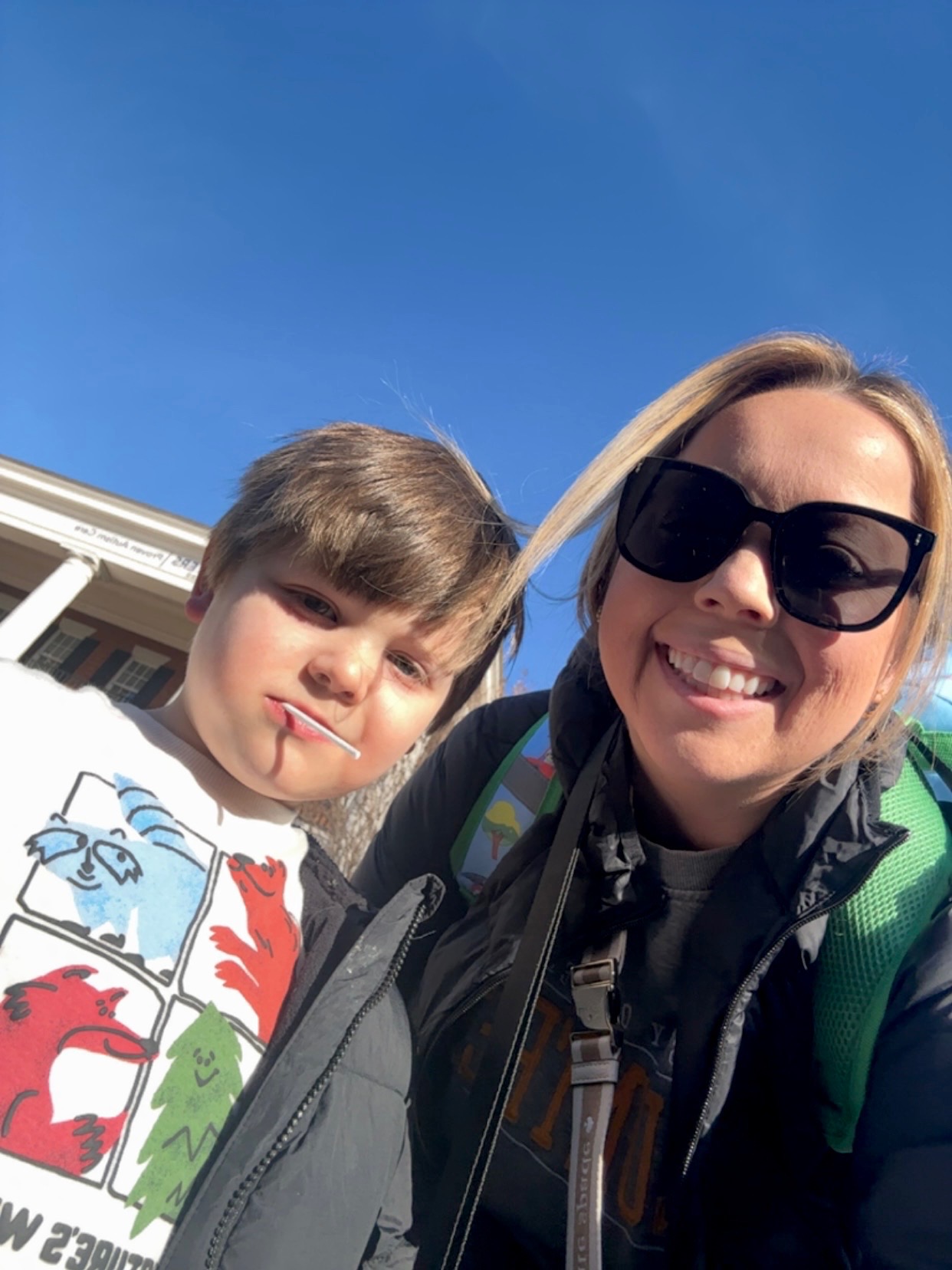
“He’s using a fork and spoon on his own,” April said. “He gives high-fives now.” Hudson’s tendency to run, known as “elopement,” isn’t happening nearly as much.
One of the proudest moments for the family has been Hudson learning to communicate through his AAC device. This Augmentative and Alternative Communication device is a tool (similar in appearance to a tablet) that helps individuals with communication challenges express themselves.



“He’s requesting his wants and needs (through the device),” April said. “We celebrate everything—and he celebrates himself, too.”
That encouragement matters. Hudson often smiles, claps, and makes happy noises after accomplishing a goal, picking up on the joy around him.
Hudson’s family also credits the center’s strong communication and sense of community. Parents receive daily text updates, weekly video check-ins with therapists, and ongoing coaching.
“I love seeing the daily charts and monthly progress graphs,” Ronnie said. “You can see the improvement.”
At ABA Centers of Tennessee, the focus goes beyond therapy sessions. According to staff, the goal is always quality of life.
“It’s not about changing who a child is,” said Stefanie Colato, Clinical Director at ABA Centers of Tennessee. “It’s about teaching meaningful skills and making life better for the child and their family.”
Matt Curtis, Executive Director at ABA Centers of Tennessee, emphasized how much ABA therapy has evolved.
“Our responsibility is to take care of the need,” he said. “Every child is unique, and care should reflect that.”
Stefanie encourages the community to embrace this mindset, as well. When encountering a child with communication or behavioral challenges, “ask what the family needs. Don’t feel nervous to ask.” Asking invites communication and communication makes room for compassion and connecting. This enables a family with an autistic child to feel supported, not isolated.
For Hudson’s family, the biggest takeaway is simple—and one they hope other Middle Tennessee families hear.
“Don’t get consumed by fear,” April said. “Our kids are capable of so much.”
Today, Hudson is making progress, building connections, and finding his voice—one small win at a time.
And for his parents, hope feels closer than ever.
For more information, visit ABA Centers of Tennessee.

We're always looking for positive news to share with our community. Let us know all about it!
Share Your News
.jpg)
Designed and powered by nixonPRO media.
Proud members of the White House and Robertson County Chambers of Commerce.

.png)


.jpg)
.jpg)